
Spring is Here- Help Keep the MS4 Systems Clear
Illicit discharges into the MS4 system can have significant environmental and health impacts. To combat this issue, Michigan has implemented various measures and public education initiatives. Please see below for helpful key points:
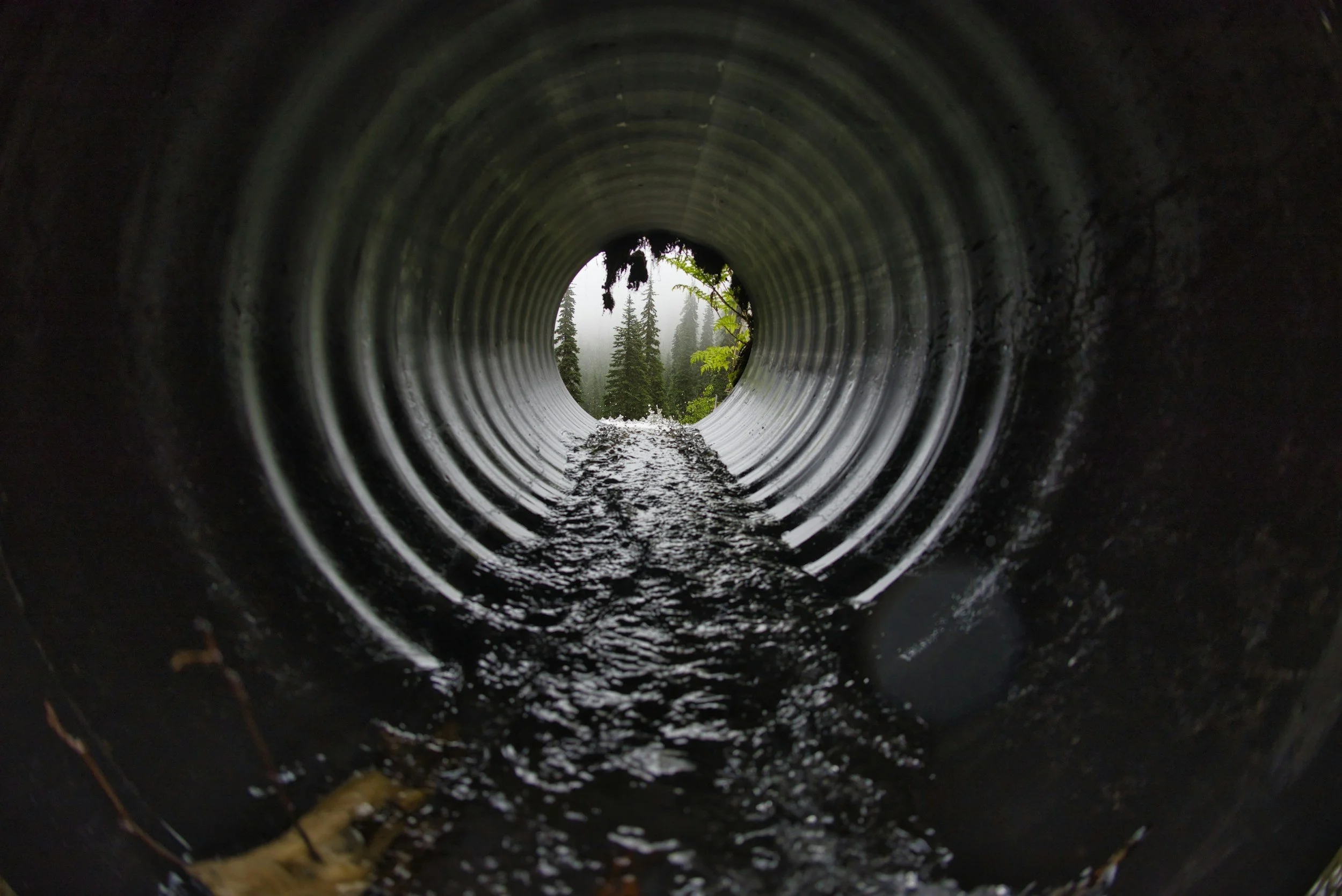
What is MS4?
An MS4 is a Municipal Separate Storm Sewer System designed to collect and discharge stormwater runoff into local water bodies without treatment.
What is an Illicit Discharge?
An illicit discharge is any discharge to an MS4 that is not composed entirely of stormwater, with some exceptions. These exceptions include discharges from NPDES-permitted industrial sources and discharges from fire-fighting activities.
Examples of Illicit Discharges Include:
Septic tank seepage
Laundry wastewater
Dumping of oil or other auto fluids
Pesticides and fertilizers
Improper disposal of hazardous waste
Pool or spa discharges
Cooking grease
Animal feces

Top ways to combat Illicit Discharges:
Check for Connection to Storm Drains: If sewer laterals from restrooms, kitchens and laundry rooms are connected, reconnect them to sanitary sewer.
Pick up Litter: Keep streets and storm drains clean to prevent illicit discharges.
Avoid dumping anything down storm drains: This includes household cleaners, paints and other pollutants
Public Education: This includes maintaining watershed signage, distributing brochures, and supporting volunteer stream monitoring efforts
Reporting Hotline: Public reporting of spills and other illicit discharges is encouraged through the establishments of hotlines or local numbers for reporting.
Training and Monitoring: Operators of MS4s are required to train employees on the IDEP program and conduct non-analytical monitoring to detect and address illicit discharges. These measures aim to reduce the occurrence of illicit discharges and promote responsible disposal of materials into the MS4 system. Public education and reporting are crucial in raising awareness and encouraging responsible behavior towards water quality protection.