Proper Application and Disposal of Pesticides, Herbicides and Fertilizers:
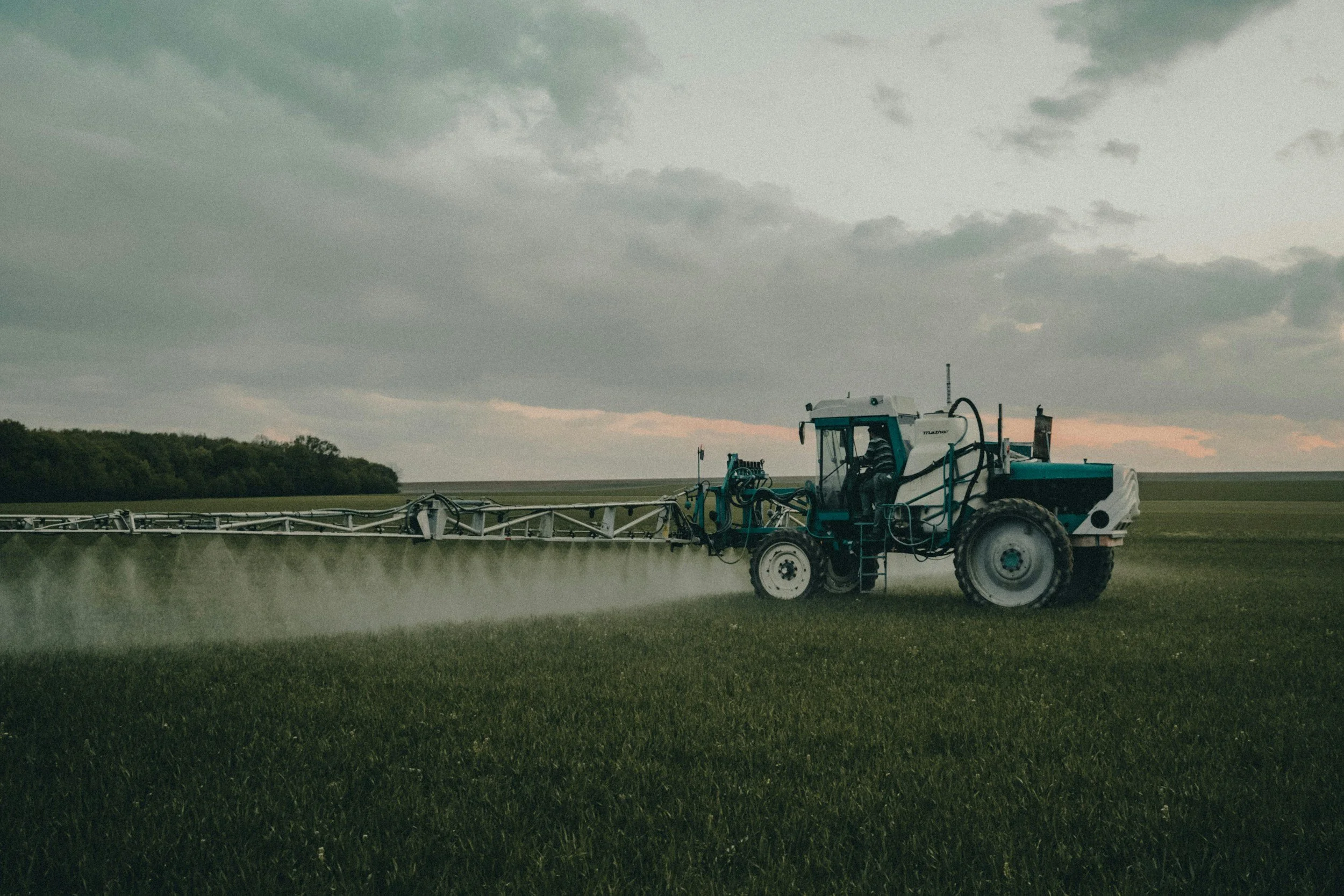
Pesticides and fertilizers when used properly can protect your plants or home from damage. They may also have negative environmental impacts when they get into waterways. Using fertilizers correctly means providing the right nutrients in the right amounts, at the right time, and in the right place to promote healthy plant growth without harming the environment. Pesticides including herbicides, insecticides, and fungicides can enter waterways through runoff, leaching, wind drift and storm drain flow. Once in rivers, lakes or groundwater, they can harm aquatic life and contaminate drinking water. Below are some prevention strategies to help keep our waterways clear.
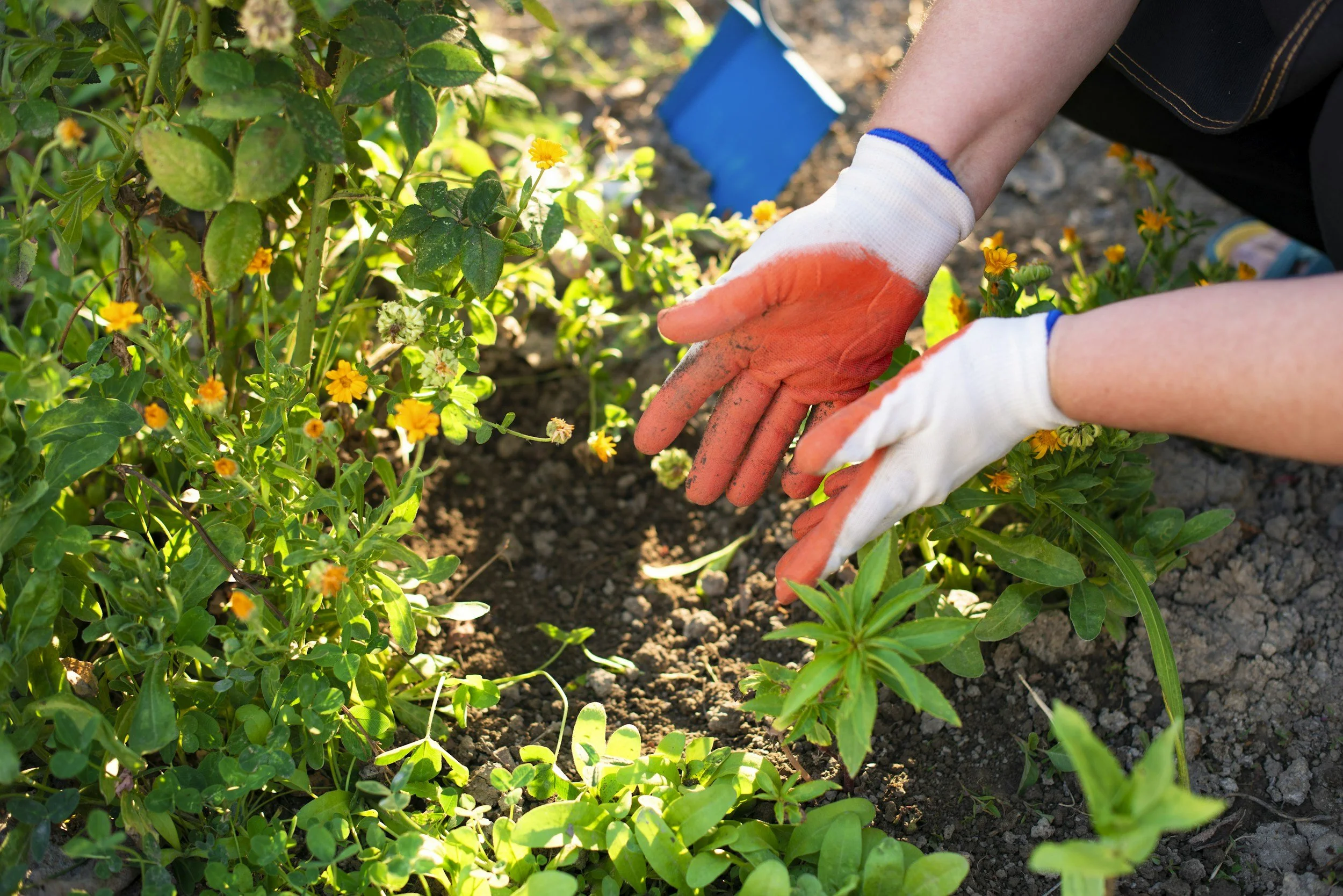
Pesticide Alternatives:
-Hand Pull Weeds.
-Use alternatives such as essential oils or diatomaceous earth for targeted pest management or plant natural deterrents.
-Reduce the use of nitrogen fertilizers that produce excess growth requiring more frequent mowing or trimming.
-Plant Native species/select plant species which are more resistant to pests.
-Using organic herbicides like corn gluten meal or dandelion extract.
Pollution Prevention Strategies:
1. Follow Label Instructions: Read the label for waterway risks and apply only when weather conditions (rain/wind) are favorable.
2. Avoid dumping or rinsing pesticides: Never pour pesticides or rinse water into storm drains, sewers or ditches.
3. Avoid pesticides strategically: Avoid applying during or immediately after rain. Use buffer zones or vegetated strips to intercept runoff. Spot treat when feasible
4. Maintain and clean equipment: Inspect for leaks, clean equipment and ensure any dirty water is directed to the sanitary sewer. Store pesticides in spill-proof, fire-resistant containers away from water sources.
5. Calibrate fertilizer application equipment to avoid excessive application: Fertilizers should be worked into the soil rather than dumped or broadcast onto the surface.
*If pesticides, herbicides or fertilizer do spill into the drain or you see someone dumping in the drain, please reach out using the spill reporting link on the SASWA Website below.*
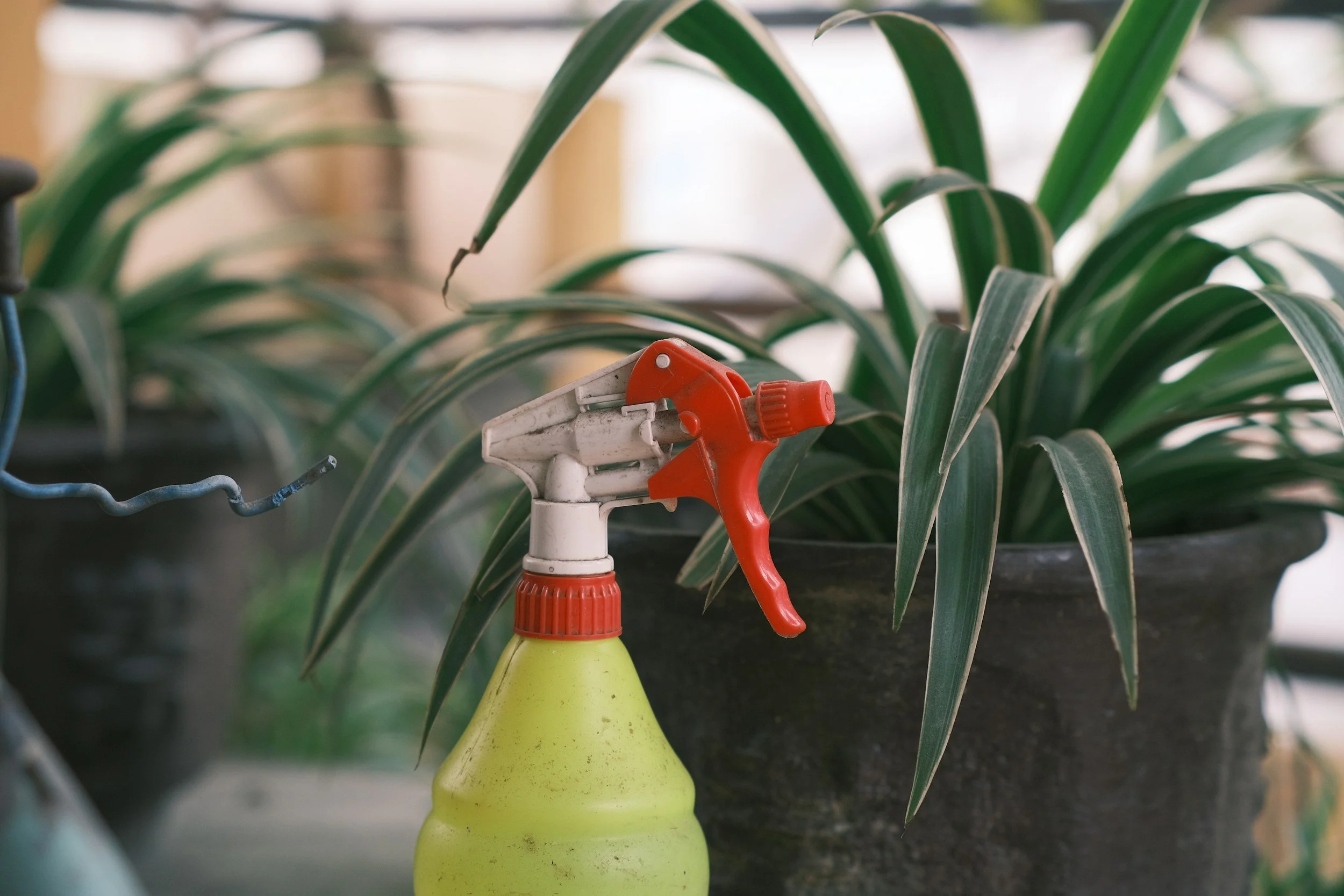
Steps on Proper Disposal:
-Follow all disposal instructions on the pesticide label and only mix enough for the job.
-Never pour pesticides down the sink, toilet, sewer or street drain.
-Check with your local solid waste management authority, environmental agency or health department to find out whether your community has a household hazardous waste collection program or a similar program for disposing of unwanted, leftover pesticides.
-The Michigan Clean Sweep Program is a state-run initiative that provides free disposal of outdated, unused, or unwanted pesticides in Michigan. MDARD - Clean Sweep
Pesticides, insecticides and fertilizer contamination can persist for decades in groundwater and surface water, affecting drinking water, recreational opportunities and ecosystem health. By combining proper application, and non-chemical pest control, you can significantly reduce the risk of pesticides and fertilizers entering waterways.